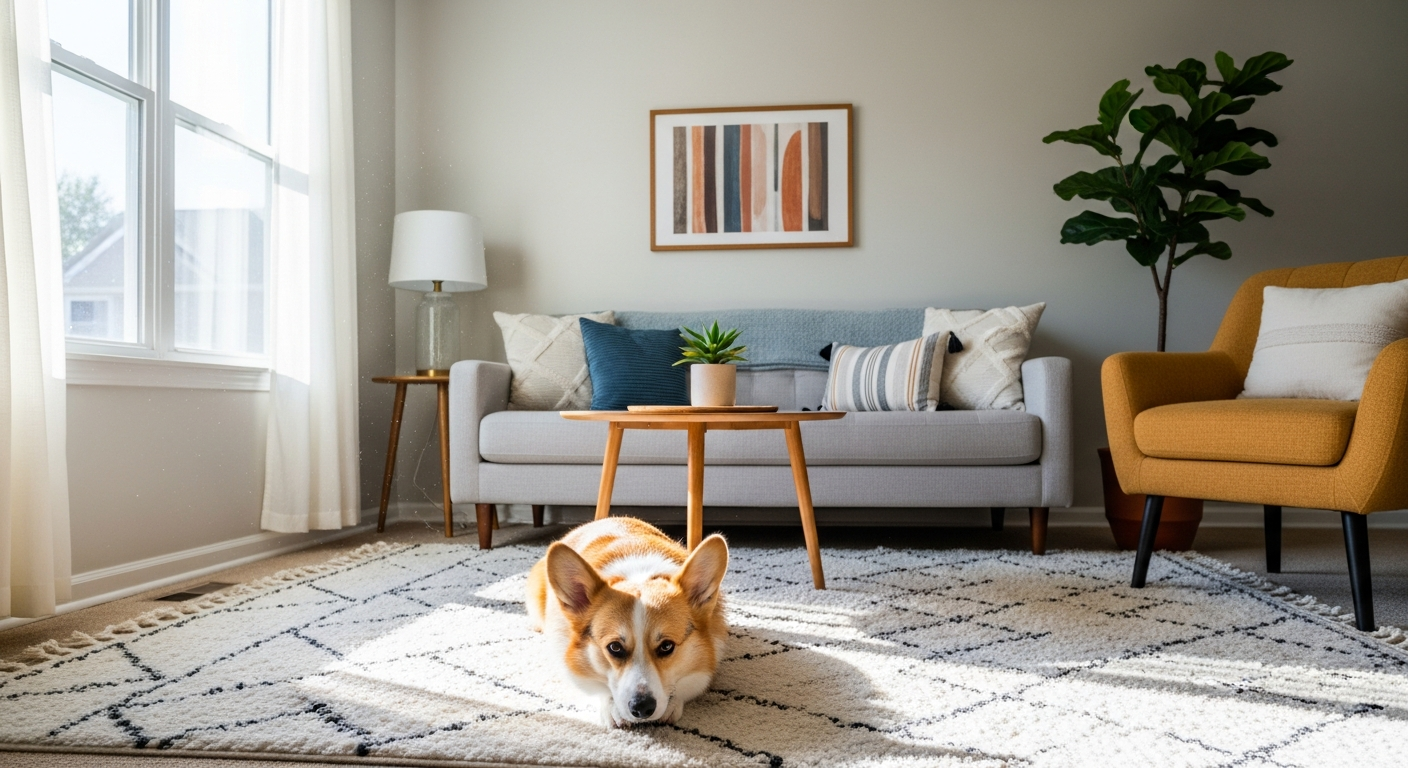
Best Emotional Support Animals for Ohio Apartments — A Clinician-vetted Lineup
For Ohio residents navigating mental health challenges, an emotional support animal (ESA) may provide meaningful therapeutic companionship within the confines of apartment living. Under the Fair Housing Act and HUD's FHEO-2020-01 guidance, qualifying individuals with documented mental health conditions may receive reasonable accommodations for their ESA, even in housing with "no pets" policies.
This clinician-vetted guide examines the best ESA for apartment Ohio living situations, considering factors such as space requirements, noise considerations, and landlord relations. Each recommendation reflects input from licensed mental health professionals familiar with Ohio's housing landscape and the therapeutic benefits various species can provide in compact living environments.
Before exploring specific animals, it's crucial to understand that a valid ESA letter must come from a licensed mental health professional (LMHP) who has evaluated your individual circumstances. The therapeutic relationship between you and your clinician determines whether an emotional support animal is appropriate for your specific mental health needs.
1. Small to Medium Dogs: The Versatile Apartment Companions
Dogs consistently rank among the most effective emotional support animals for apartment dwellers, particularly breeds that adapt well to smaller spaces. Licensed clinicians frequently recommend canines for individuals experiencing anxiety, depression, or PTSD, as dogs naturally provide structured routines, unconditional companionship, and opportunities for social interaction during walks.
For Ohio apartment friendly ESA candidates, breeds such as Cavalier King Charles Spaniels, French Bulldogs, and Pugs offer calm temperaments and moderate exercise needs. These breeds typically weigh between 15-25 pounds, making them manageable in studio or one-bedroom apartments common in Columbus, Cleveland, and Cincinnati. Their relatively quiet nature helps maintain positive relationships with neighbors, a critical consideration for long-term housing stability.
Mental health professionals emphasize that the therapeutic bond between handler and dog often develops through daily care routines, training sessions, and the animal's intuitive response to emotional distress. For detailed breed-specific guidance tailored to Ohio apartment living, consult our comprehensive resource on ESA dogs and the best breeds for Ohio apartments.
Practical Takeaway: Schedule regular veterinary care and invest in quality training to ensure your ESA dog becomes a welcome addition to your apartment community while providing maximum therapeutic benefit.
2. Cats: Low-Maintenance Therapeutic Companions
Feline emotional support animals excel in apartment settings due to their independence, quiet nature, and minimal space requirements. Licensed clinicians often recommend cats for individuals whose mental health conditions benefit from predictable, low-pressure companionship without the demanding exercise schedules required by dogs.
Cats provide therapeutic value through their purring vibrations (which research suggests may lower blood pressure), their consistent presence during difficult emotional periods, and their ability to sense and respond to their handler's mood changes. For Ohio apartment residents managing depression or anxiety, a cat's calming presence can create a stable emotional anchor within the home environment.
Indoor cats adapt exceptionally well to apartment living, requiring only basic amenities: litter box placement, scratching posts, and environmental enrichment through toys or window perches. Their self-grooming habits and natural cleanliness help maintain apartment hygiene standards, addressing common landlord concerns about pet-related property damage.
Our specialized guide on ESA cats as quiet companions in Ohio provides detailed information about breed selection, apartment setup, and maximizing the therapeutic benefits of feline emotional support animals.
Practical Takeaway: Choose a cat with a temperament that matches your energy level and therapeutic needs, and ensure proper litter box maintenance to preserve positive landlord relationships.
3. Rabbits: Gentle, Space-Efficient Support Animals
Rabbits represent an increasingly popular choice for licensed ESA animals Ohio residents, particularly those in smaller apartments where traditional pets may seem impractical. Licensed mental health professionals recognize rabbits' therapeutic potential for individuals who benefit from gentle, predictable animal companionship without the noise concerns associated with barking dogs.
These quiet animals provide emotional support through their soft texture, calming presence, and relatively simple care requirements. Rabbits can be litter-trained, making them suitable for indoor apartment living, and their crepuscular activity patterns (most active during dawn and dusk) align well with typical work schedules.
For comprehensive information about incorporating rabbits into your emotional support animal plan, including housing setup, dietary needs, and therapeutic considerations specific to Ohio residents, review our detailed guide on rabbits as emotional support animals in Ohio.
Practical Takeaway: Rabbit-proof your apartment by securing electrical cords and providing appropriate chewing alternatives to prevent property damage while ensuring your ESA's safety and well-being.
4. Birds: Interactive Companions for Social Support
Certain bird species, particularly cockatiels, budgerigars, and conures, can serve as effective emotional support animals for individuals whose therapeutic needs include social interaction and routine engagement. Licensed clinicians may recommend birds for clients who benefit from caring for an animal that responds to verbal communication and maintains predictable daily schedules.
Birds provide therapeutic value through their vocalizations, colorful presence, and interactive personalities. Their contained living arrangements (appropriate cage setups) make them practical for studio apartments, while their intelligence allows for meaningful bonding experiences through training and socialization.
However, potential bird owners must consider noise implications for apartment living. While some species are relatively quiet, others may vocalize frequently, particularly during morning and evening hours. Consulting with neighbors and landlords before bringing a bird ESA into your apartment can prevent future conflicts and ensure housing stability.
Practical Takeaway: Research specific bird species' vocalization patterns and space requirements, and invest in high-quality cage placement away from shared walls to minimize noise transmission to neighboring units.
5. Guinea Pigs: Social, Contained Companions
Guinea pigs offer unique advantages for apartment-dwelling Ohio residents seeking emotional support animals that provide social interaction within manageable care parameters. These small mammals are naturally social, often thriving in pairs, which can amplify the therapeutic benefits through observing their interactions and caring for multiple animals.
Licensed mental health professionals sometimes recommend guinea pigs for clients who benefit from structured daily routines, as these animals require consistent feeding schedules, cage maintenance, and social interaction. Their gentle nature and relatively simple housing requirements make them suitable for apartments where larger animals might be impractical.
Guinea pigs communicate through soft whistles and purring sounds that are generally apartment-friendly, and their contained living arrangements minimize concerns about property damage. Their lifespan of 5-8 years provides stable, long-term companionship for individuals managing chronic mental health conditions.
Practical Takeaway: Consider adopting guinea pigs in pairs to enhance their social well-being, and ensure adequate cage space and daily floor time for exercise within your apartment's layout.
6. Fish: Calming Visual Therapy
Aquarium fish represent a unique category of emotional support animals particularly suited to apartment living, offering therapeutic benefits through visual stimulation, routine care, and the calming effects of aquatic environments. Licensed clinicians may recommend fish for individuals whose mental health conditions respond well to meditative, low-pressure animal companionship.
The rhythmic movement of fish, combined with the gentle sounds of filtration systems, can create a calming atmosphere that supports stress reduction and anxiety management. Maintaining an aquarium provides structured daily activities without the intensive time commitments required by more interactive pets.
Apartment-friendly fish setups range from simple betta fish in smaller tanks to more complex community aquariums, allowing customization based on space constraints and therapeutic goals. The visual appeal of well-maintained aquariums can also enhance apartment aesthetics while providing ongoing emotional support.
Practical Takeaway: Start with low-maintenance fish species and gradually expand your aquarium setup as you become more experienced, ensuring proper electrical safety and weight distribution for floor-supported tanks.
7. Ferrets: Playful, Adaptable Apartment Pets
Ferrets can serve as engaging emotional support animals for individuals whose therapeutic needs include interactive play, routine exercise, and caring for an intelligent, social animal within apartment confines. Licensed mental health professionals may recommend ferrets for clients who benefit from active engagement with their ESA rather than purely passive companionship.
These curious animals adapt well to apartment living when provided with appropriate enrichment and ferret-proofing measures. Their playful nature and social intelligence create opportunities for meaningful interaction, while their sleep patterns (12-18 hours daily) align well with typical work schedules.
Ferrets require specialized veterinary care and dietary needs, making them suitable for individuals who can commit to higher-level pet care responsibilities. Their litter-training capabilities and relatively contained living requirements make them practical for apartment environments when properly managed.
Practical Takeaway: Thoroughly ferret-proof your apartment before bringing your ESA home, and establish relationships with ferret-experienced veterinarians in your Ohio area to ensure proper healthcare maintenance.
Ohio Housing Rights and ESA Considerations
Understanding your rights as an ESA handler in Ohio apartments requires familiarity with both federal Fair Housing Act protections and Ohio-specific housing regulations. Under HUD's FHEO-2020-01 guidance, qualifying individuals with documented mental health conditions may receive reasonable accommodations for their emotional support animals, even in housing with restrictive pet policies.
Ohio landlords must engage in an interactive process when presented with valid ESA letters from licensed mental health professionals. This process includes reviewing documentation, assessing reasonable accommodation requests, and making good-faith efforts to accommodate ESAs unless doing so would create undue financial hardship or fundamental alteration to housing services.
For comprehensive information about securing and maintaining ESA housing accommodations in Ohio, including documentation requirements and tenant rights, consult our detailed resource on Ohio ESA housing letters and FHA protections.
Property damage, noise complaints, or aggressive behavior by ESAs can jeopardize housing accommodations, making proper training and responsible ownership critical for long-term housing stability. Consider professional training resources, particularly those outlined in our guide to ESA training basics for Ohio residents.
Obtaining Your ESA Letter in Ohio
A legitimate emotional support animal letter must come from a licensed mental health professional (LMHP) licensed in Ohio who has conducted an individual assessment of your mental health condition and therapeutic needs. This typically includes licensed clinical social workers (LCSWs), licensed professional clinical counselors (LPCCs), licensed marriage and family therapists (LMFTs), psychologists, psychiatrists, or licensed primary care physicians where state law permits.
The evaluation process involves discussing your mental health history, current symptoms, and how an emotional support animal might provide therapeutic benefit within your living situation. Licensed clinicians will determine whether an ESA is clinically appropriate based on established diagnostic criteria and treatment planning principles.
Legitimate ESA letters include specific elements required by HUD guidance: confirmation of your mental health condition, explanation of how the ESA provides therapeutic benefit, verification of the clinician's licensure and therapeutic relationship with you, and recommendation for reasonable accommodation under fair housing laws.
Important Considerations:
- Allow adequate time for the clinical evaluation process, as responsible mental health professionals require thorough assessment before issuing ESA recommendations
- Ensure your chosen clinician is licensed in Ohio and familiar with state-specific ESA regulations
- Maintain ongoing therapeutic relationships to support long-term ESA letter validity and your continued mental health care
- Budget for ESA-related expenses including veterinary care, supplies, and potential pet deposits (though ESA handlers are typically exempt from pet fees under FHA protections)
Responsible ESA Ownership in Ohio Apartments
Successful emotional support animal ownership in Ohio apartments requires ongoing commitment to responsible pet care, community consideration, and therapeutic goal maintenance. This includes regular veterinary care, appropriate training when necessary, and proactive communication with housing providers about your ESA's role in your mental health treatment.
Maintaining detailed records of your ESA's behavior, training progress, and therapeutic contributions can support ongoing housing accommodations and demonstrate responsible ownership to skeptical landlords or neighbors. Documentation should include veterinary records, training certificates when applicable, and periodic updates from your treating mental health professional.
Consider joining local support groups or online communities for ESA handlers to share experiences, troubleshoot challenges, and maintain accountability for responsible ownership practices. These networks often provide valuable resources for apartment-specific concerns and Ohio housing law updates.
Disclaimer: This article provides informational content about emotional support animals and housing accommodations, not medical, mental health, or legal advice. ESA letters must come from licensed mental health professionals who have evaluated your individual circumstances. For housing disputes or legal questions, consult an Ohio-licensed attorney. For mental health treatment and ESA recommendations, work with an Ohio-licensed mental health professional who can assess your specific therapeutic needs.
Ready to start your Ohio ESA letter?
Licensed Ohio clinician review. Compliant with state law.
Get My Ohio ESA Letter